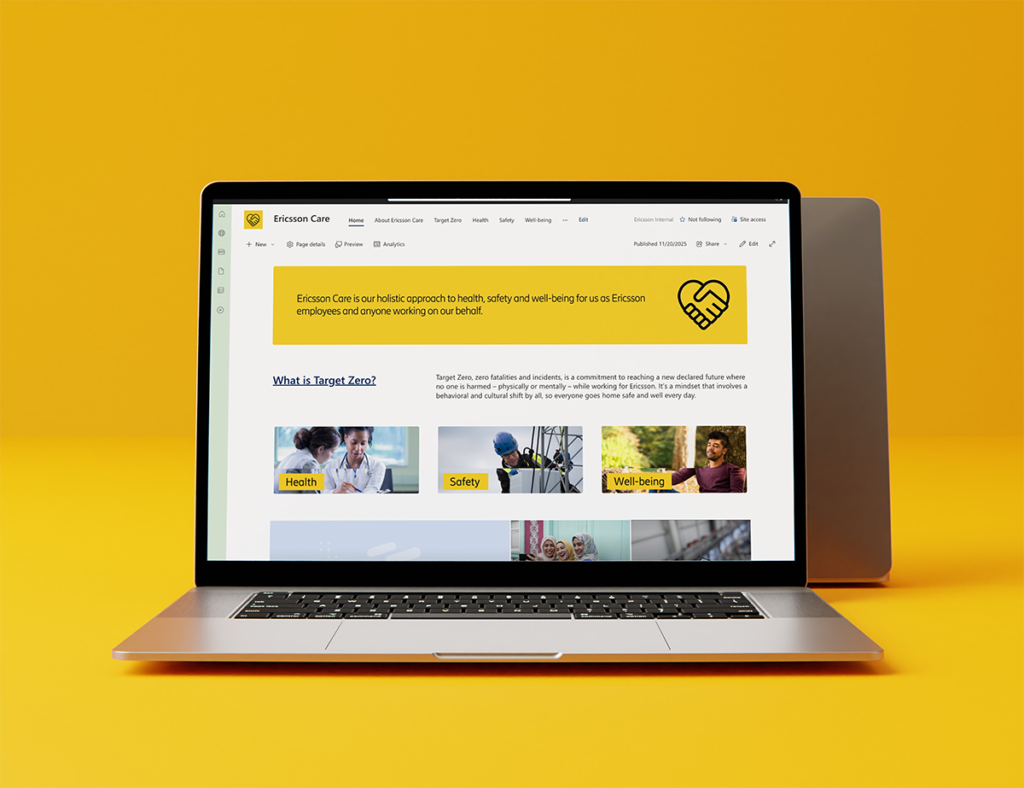
Scalable design systems across WordPress, SharePoint, and dotcom sites
Tags: Enterprise UX · Design systems · CMS
Project Overview
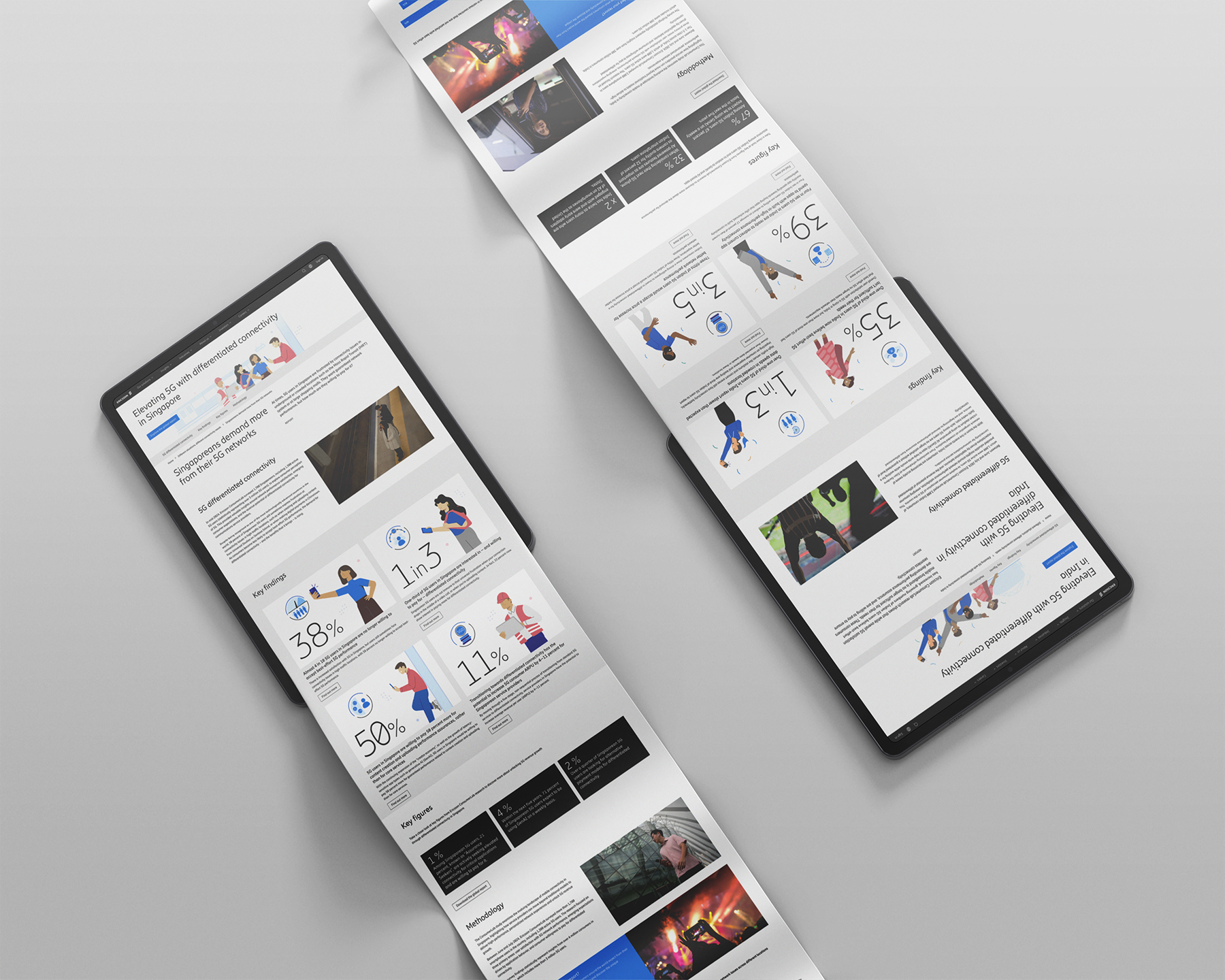
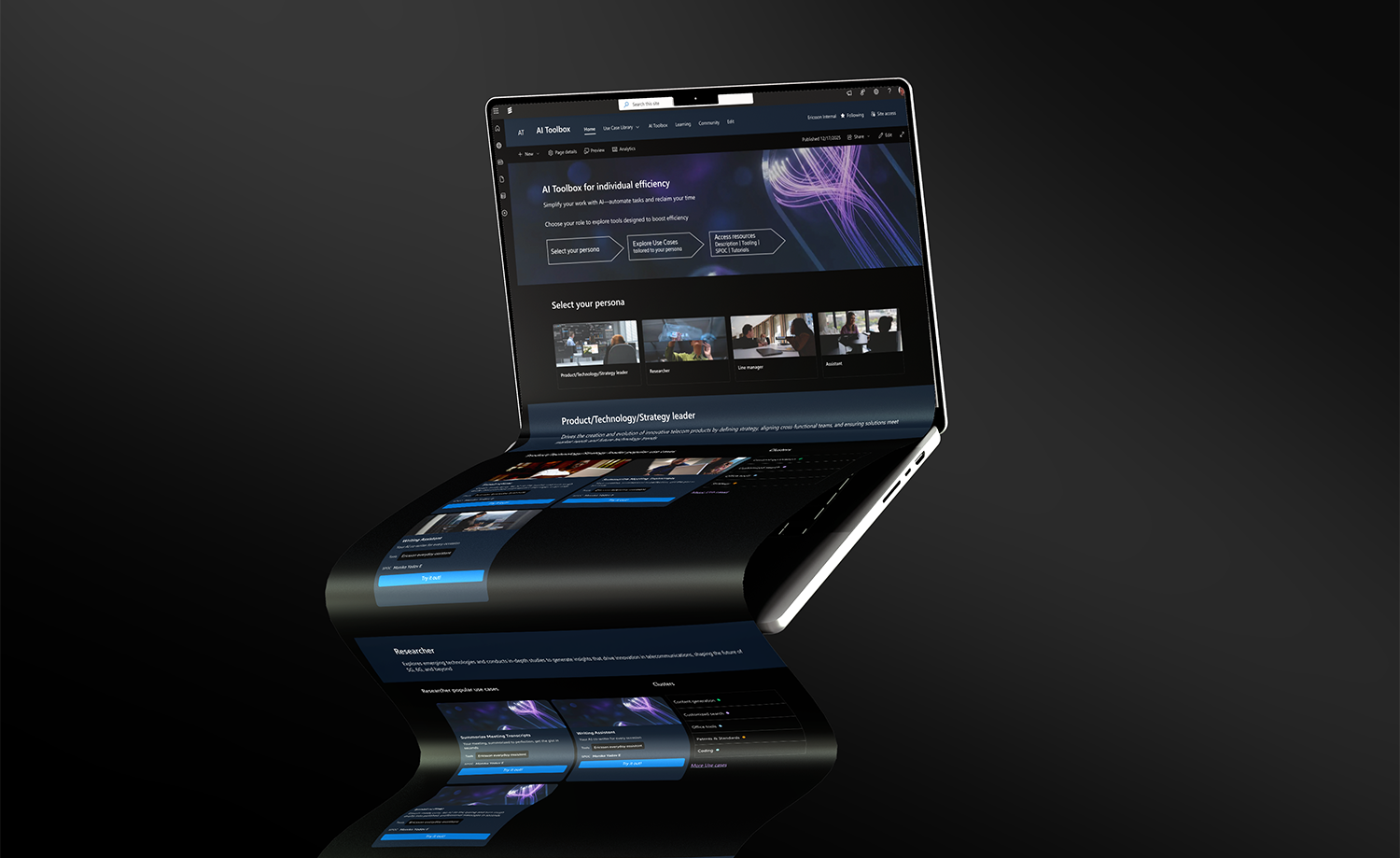
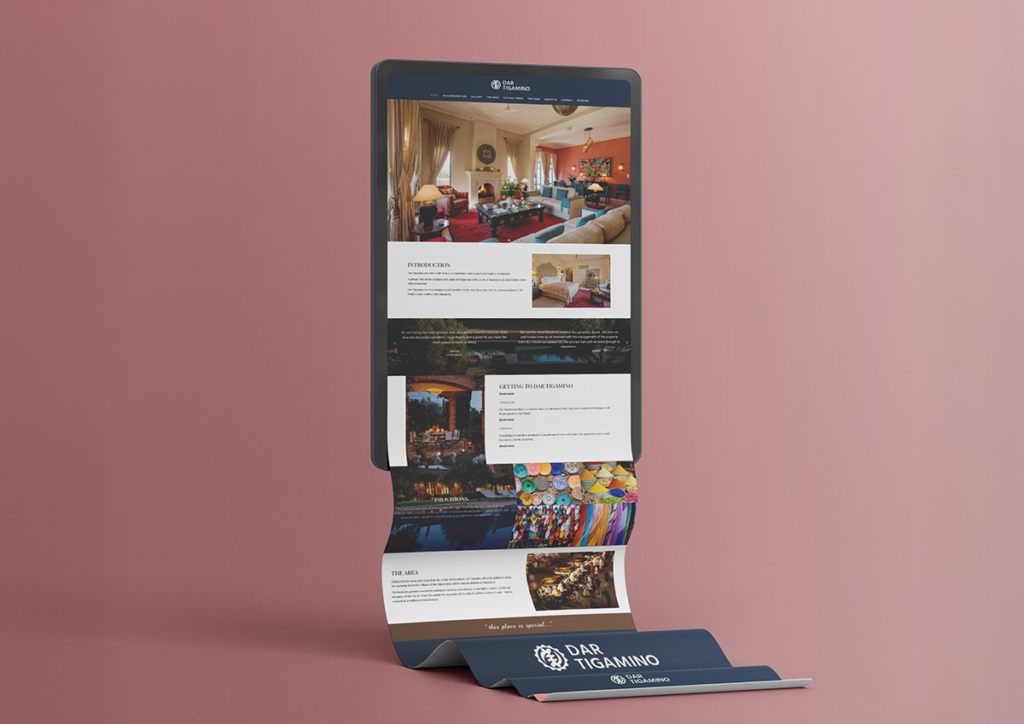
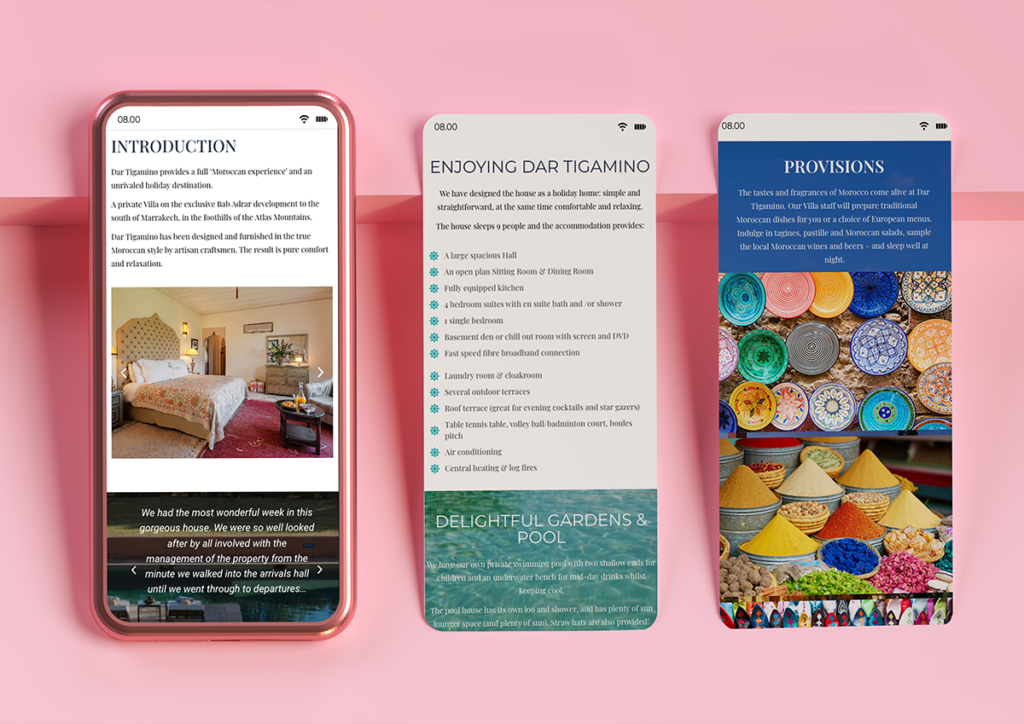
This case study covers a collection of enterprise websites and platforms designed and delivered across WordPress, SharePoint, and custom dotcom environments. The work focuses on creating scalable, maintainable design solutions that support diverse content needs, multiple stakeholders, and long-term growth.
Rather than a single site, this page showcases a recurring type of work I lead — designing and evolving platforms that balance usability, brand consistency, and technical constraints.
Role
Design Lead · Project Lead · Hands-on Designer
Scope
UX/UI design, design systems, CMS structures, visual design, implementation support
Context
Enterprise environments · Internal and external platforms · Multi-stakeholder teams
Format
Multiple platforms · Shared design principles · Scalable systems
The Challenge
Enterprise platforms often need to serve very different audiences while remaining easy to manage internally. The main challenges included:
Designing consistent user experiences across multiple sites and platforms
Working within the constraints of WordPress, SharePoint, and custom CMS setups
Supporting non-designers and non-technical teams in content creation
Maintaining visual and UX quality over time as content grows and changes
Aligning business, technical, and user needs
My Role & Ownership
I led these projects end-to-end, combining strategic oversight with hands-on design and technical problem-solving. I worked closely with stakeholders, developers, and content teams to ensure the platforms were both usable and sustainable.
My role covered:
Defining UX and design system principles
Designing layouts, components, and interaction patterns
Structuring CMS templates for flexibility and clarity
Providing visual and technical guidance during implementation
Leading project timelines, coordination, and delivery
Stepping in hands-on where needed to resolve design or technical challenges
Design Systems & Scalability
Rather than creating rigid systems, I focused on practical design frameworks that could adapt to real-world content and organizational change.
Key principles:
Reusable components with clear usage rules
Flexible layouts that support varied content types
Clear hierarchy and readability across devices
Systems designed to be understood and used by non-designers
This approach helped ensure consistency without limiting growth.
CMS & Platform Considerations
Each platform came with different constraints and opportunities: